
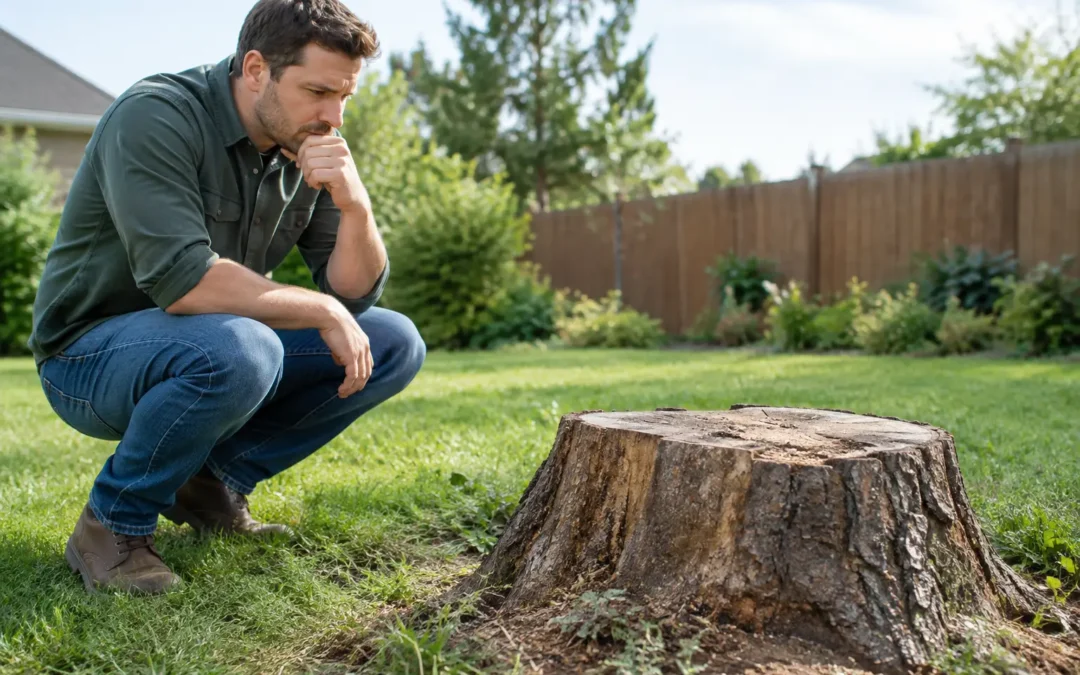
A tree can be gone by lunchtime, yet the stump left behind can keep causing trouble for years. The top stump removal mistakes usually happen when property owners treat the remaining stump as harmless, choose a shortcut, or do not plan for what sits beneath and around it. A better approach protects your lawn, your equipment, and the people using your property.
Stump removal is not just about making a stump less visible. Proper stump grinding reduces the stump and root plate below ground level so the area can be used again for grass, mulch, landscaping, or a future project. It also helps eliminate a common trip hazard and removes a place where insects, fungus, and unwanted new shoots may take hold.
Top Stump Removal Mistakes to Avoid
Waiting until the stump becomes a bigger problem
It is easy to postpone stump work after a tree has been removed. The yard may look better already, and the stump can feel like a small issue compared with the tree that was just taken down. But a retained stump often becomes more inconvenient over time.
It can interfere with mowing, force people to walk around it, and create a hidden hazard when grass or snow covers it. On commercial grounds, rental properties, and acreage driveways, a stump in the wrong place can also create a liability concern. Old stumps may decay slowly, attract insects, support fungal growth, or produce suckers that keep trying to grow from the root system.
The right timing depends on the property plan. If you are preparing for a fence, patio, garden bed, sod, or construction, schedule grinding before the next phase begins. That gives you a cleaner, more usable site without asking another contractor to work around an obstacle.
Assuming a stump can be handled safely with DIY methods
A shovel, ax, chainsaw, truck, or rented grinder may look like a lower-cost answer. In reality, manual stump removal is hard physical work, and improvised methods can damage the property or cause serious injury. Roots spread farther than most people expect, especially on mature trees. Pulling, burning, or cutting into a stump without knowing what is below ground can create problems that cost more than professional grinding.
Rental grinders also require more than a quick tutorial. They are powerful machines with moving cutting wheels and carbide-tipped teeth. An operator needs room to work, control of the machine on uneven ground, proper personal protective equipment, and an understanding of how the grinder reacts to different stump sizes and wood types.
A professional crew brings the right equipment and experience to the job. That does not mean every stump requires the same method, but it does mean the work can be assessed before a machine enters the yard. This matters particularly around fences, sheds, gardens, retaining walls, and narrow gates.
Skipping the utility and site check
One of the costliest stump removal mistakes is looking only at the stump itself. Buried utility lines, irrigation components, landscape lighting, septic systems, and drainage features can all affect how the job should be performed. Roots may also be close to concrete edges, curbs, foundations, or underground services.
Before grinding begins, the work area should be reviewed for access, slope, obstacles, and underground concerns. Property owners can help by identifying known utility routes and private lines, such as irrigation or lighting, that may not be included in a standard utility locate. They should also clear movable items from the work zone and make sure gates are unlocked.
Access deserves attention as well. A grinder needs a practical route to the stump that avoids damaging delicate landscaping or squeezing through spaces that are too tight. If access is limited, tell the stump grinding company before the appointment. A clear description, measurements, and a few photos can help set realistic expectations from the start.
Choosing the lowest price without comparing the scope
A low quote may be appealing, but stump grinding prices can vary because the scope of work varies. One company may price for a shallow pass that leaves substantial material near the surface. Another may include deeper grinding, root flare work, woodchip management, and site cleanup. Those are not equivalent jobs.
Ask what depth is included and whether the visible stump, root plate, or surface roots will be addressed. Also ask how woodchips will be handled. Grinding turns the stump into woodchips, which can be useful for mulch in some areas, but the pile may need to be moved, spread, or hauled depending on your plans for the site.
Upfront pricing should tell you what you are paying for rather than leaving room for surprise charges on the day of service. A free, honest, and no-obligation estimate gives you the chance to discuss access, stump size, depth, cleanup, and your intended use for the area before work begins.
Expecting every root to disappear
Stump grinding is highly effective, but it is important to understand what it does. A professional stump grinder breaks down the stump and main root plate below grade. It does not usually involve excavating every long, lateral tree root across a lawn, garden, or driveway. Full root excavation can be disruptive, expensive, and unnecessary for many properties.
For most homeowners, grinding the main stump area at least 10 inches below ground level provides the practical result they need. The remaining material can continue to decompose naturally beneath the soil. If you are installing a structure, digging footings, replacing a driveway, or planting a new tree in the same exact location, explain that during the estimate. Those plans may require different preparation.
This is also why replanting deserves a little thought. Grass, mulch, and many landscape plants can often be established after the area is prepared. Planting a new tree directly over the old stump location is less ideal because old roots, settling soil, and remaining woodchips can affect the new tree’s space and nutrition. Moving the new tree a few feet away is often the better choice.
Forgetting about the cleanup and final grade
Grinding is only part of the finished result. The ground may contain a mix of woodchips, soil, and fine organic material after the stump is reduced. If that material is left in a mound where you want lawn, it can settle unevenly and make reseeding more difficult. If it is mixed deeply into the soil, it can temporarily use nitrogen as the wood breaks down.
Talk through your preferred finish before the work starts. You may want the woodchips left for mulch around trees or garden beds. You may prefer them spread in a natural area, moved aside for later use, or removed so the location can be backfilled and reseeded. There is no single right answer. It depends on how you plan to use the space.
A property-conscious crew should leave the work area tidy and ready for the next step. That includes managing debris, checking the surrounding lawn and hardscape, and making sure the customer understands what remains to be done, such as adding topsoil, leveling, seed, or sod.
Ignoring the conditions around the stump
Stump grinding can be done in many conditions, but wet ground, snow cover, frozen soil, and soft lawns can affect access and cleanup. Edmonton-area properties also face spring thaw, heavy rain, and seasonal ground changes that can make certain yards more vulnerable to rutting.
This does not always mean the work must wait. It means the crew and property owner should make a sensible plan. A dry access route may protect the lawn better. Protective measures may be needed in sensitive areas. In some cases, waiting for better ground conditions is the most respectful choice for the property.
Plan the Stump Work Around Your Next Project
The best stump removal decision starts with a clear outcome: a safer lawn, room for a garden, a smooth mowing path, or a clean site for construction. Once that outcome is known, the grinding depth, chip handling, access route, and finish can be planned around it.
Stump Chomper uses specialist gas-powered grinding equipment with carbide-tipped teeth to reduce stumps and root plates below grade while keeping property care and cleanup in view. Whether the stump is beside a backyard fence, in an acreage field, or on commercial grounds, a direct conversation before the work begins helps avoid expensive assumptions.
A stump does not need to control the layout of your property. Give the area a proper assessment, be clear about what you want to do there next, and choose a service that leaves the ground ready for that next useful purpose.