
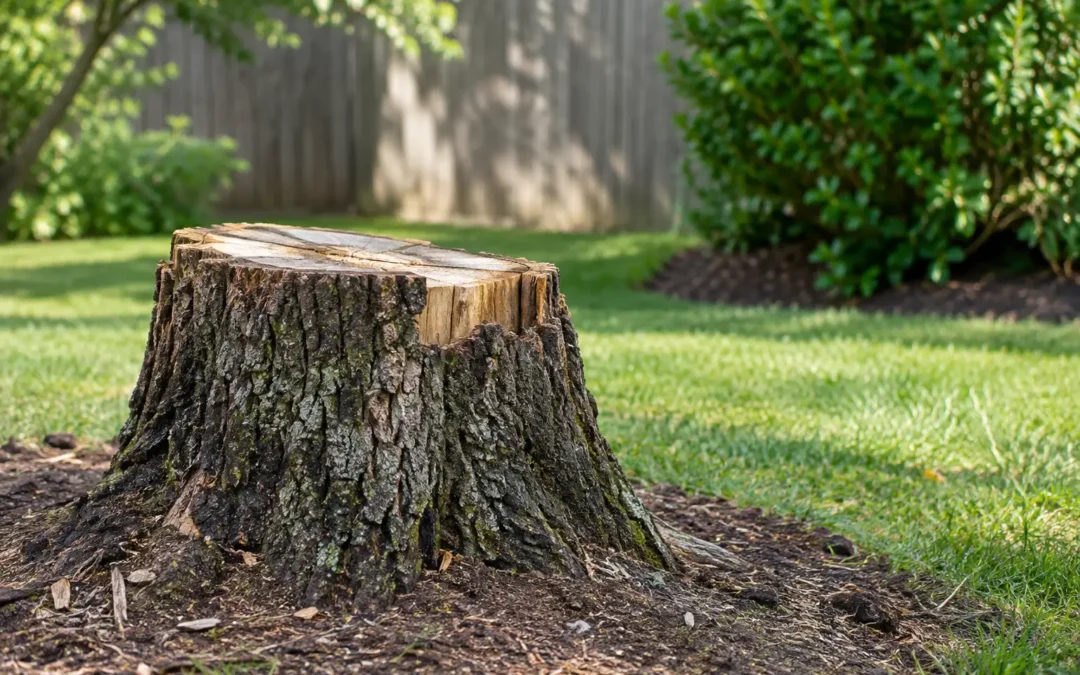
That freshly cut tree may be gone, but the stump can keep causing trouble long after the cleanup crew leaves. If you are asking when should you remove a tree stump, the answer usually comes down to how you use the property, where the stump sits, and whether it is creating a safety, pest, or landscaping problem.
A stump does not always need to be dealt with the same day a tree comes down. But waiting can make certain issues more expensive or inconvenient. For homeowners, acreage owners, landlords, and commercial property managers, stump grinding is often the practical next step once the tree removal is complete.
When Should You Remove a Tree Stump After Tree Removal?
The best time is often soon after the tree is removed, especially if the area needs to be usable again. A newly cut stump is easy to locate, the work area is already open, and plans for lawn repair, fencing, a garden bed, or construction can move ahead without an obstacle in the way.
That said, there are valid reasons to schedule grinding later. You may be coordinating several trees, waiting for a landscaping project to begin, or managing a commercial site in stages. Grinding can be completed well after the tree was cut, provided the stump is accessible to the equipment.
The main consideration is not the stump’s age. It is the impact it has on your property. A stump beside a quiet back fence may be less urgent than one in a front lawn, playground area, parking lot edge, mowing route, or future building site.
Remove a Stump When It Creates a Safety Hazard
A low stump can be surprisingly easy to miss, particularly in long grass, snow, leaves, or poor light. It becomes a trip hazard for family members, visitors, tenants, employees, and customers. On commercial grounds, an exposed stump can also create a liability concern where the public has access.
Stumps are equally hard on equipment. A mower blade, trimmer, snow-removal equipment, or utility cart can strike the wood or raised root plate. The result may be a damaged machine, a bent blade, or an abrupt stop in the middle of routine grounds maintenance.
This is especially relevant in Edmonton-area yards, where a stump may be hidden through part of the year by snow and then surrounded by fast-growing grass in spring. If people walk or mow near it regularly, removal is worth scheduling before it causes a preventable accident or repair bill.
Signs a Tree Stump Is Attracting Pests or Disease
An old stump is not guaranteed to attract insects, but decaying wood can become a convenient shelter and food source for certain pests. Ants, beetles, termites in applicable settings, and other insects may nest in or around soft, rotting wood. Stumps can also provide cover for rodents and other small animals.
Fungi are another reason to pay attention. Mushrooms growing from a stump are a normal part of wood decay, but they show that the material is breaking down. On a property with other trees close by, it is sensible to watch for signs of disease or fungal activity and consider removing the decaying wood rather than letting it remain for years.
A grinder does not sterilize an entire yard, and it is not a substitute for diagnosing the health of nearby trees. It does, however, eliminate the large above-ground portion of the stump and reduce the remaining wood below grade, removing a common place for decay and insects to take hold.
When a Stump Is Stopping Your Landscaping Plans
A retained stump takes up more space than most property owners expect. The visible cut surface is only part of the issue. Roots and the root flare can extend well beyond it, making it difficult to level the ground, install a garden, build a patio, put up a fence, or create a clean lawn edge.
If you plan to reseed, lay sod, add a raised bed, widen a driveway, or prepare a site for construction, schedule stump removal before the new work begins. Trying to work around it often leads to awkward layouts and extra labor later.
Professional grinding reduces the stump and root plate to at least 10 inches below ground level. The resulting woodchips can be left for use as mulch where appropriate or removed as part of site cleanup. Once the area is backfilled and graded, it is ready for grass seed, mulch, or the next phase of your project.
Replanting in the Same Spot Takes Planning
You can plant near a former stump location, but planting a new tree directly in the exact same spot is not always ideal. Remaining roots, woodchips, and compacted soil can affect the new tree’s establishment. A better approach is often to shift the new planting location slightly and prepare the soil properly.
For lawn restoration, the process is more straightforward. Remove excess grindings if needed, add clean topsoil, level the area, and seed or sod it. The goal is a finished surface that blends with the rest of the yard rather than a low, spongy, or uneven patch.
Do Not Wait If the Stump Is Sending Up New Growth
Some tree species respond to cutting by producing shoots from the stump or roots. These suckers can appear around the old tree location and keep returning even after they are trimmed. They are not just an appearance issue. Persistent suckering uses energy from the remaining root system and can turn a simple lawn area into an ongoing maintenance chore.
Grinding the stump removes the central source of that regrowth. Existing roots may still produce occasional shoots for a period, depending on the species and root condition, but the problem is generally much easier to manage once the stump has been ground below grade.
Is There a Best Season for Stump Grinding?
Stump grinding can be done through much of the year when ground conditions and site access allow it. Spring and fall are popular because they line up with lawn repairs and landscaping work. Summer can also be an excellent time, particularly when dry conditions make it easier to move equipment across a property without disturbing soft turf.
Winter work may be possible on accessible sites, but frozen ground, snow cover, and limited visibility can affect scheduling and cleanup. If the stump is an active hazard, do not assume you must wait for perfect weather. An experienced operator can assess the site and explain what is practical.
The right season also depends on what happens after grinding. If you want to reseed immediately, plan around suitable growing conditions. If a contractor needs clear ground for a fence, shed, paving, or excavation, grinding should happen early enough that the site can be cleaned, filled, and prepared before the next crew arrives.
Why Professional Grinding Is Usually the Practical Choice
Digging out a stump by hand is demanding work. Large roots can run in several directions, and pulling the stump with a vehicle can damage lawns, underground services, nearby structures, or the vehicle itself. Chemical products are slow and leave the stump in place while it decays.
A professional stump grinder is built for the job. Carbide-tipped teeth cut the stump into manageable woodchips, allowing the operator to work the wood and root flare down below ground level without excavating a large hole across the yard. The process is controlled, efficient, and far less disruptive than trying to tear out the entire root system.
Before work begins, access, nearby utilities, gates, landscaping features, and cleanup needs should be discussed clearly. Stump Chomper provides free, honest, no-obligation estimates and straightforward pricing so property owners know what the work involves before equipment arrives.
A stump rarely becomes more attractive, safer, or easier to mow around with time. If it is limiting how you use your property, creating a hazard, or standing in the way of the next project, removing it now gives you clean ground and one less thing to work around.